

What Is Low T Symptoms? Signs You Shouldn't Ignore
Elizabeth Vogstrom, PA-C
evoyouthful Clinical Team
Discover the key signs of low testosterone, including decreased libido and fatigue. Don't ignore these symptoms; consult your clinician today!
What Is Low T Symptoms? Signs You Shouldn’t Ignore
A sharp drop in libido, fewer spontaneous or nocturnal erections, ongoing fatigue, shrinking muscle mass, growing belly fat, and smaller testicles are the six symptoms most strongly linked to low testosterone. If two or more of these sound familiar, the next step is a conversation with your clinician about early-morning blood testing, not guesswork.
The symptoms split into three groups worth tracking separately:
- Sexual: lower libido, weaker or fewer erections, low sperm count
- Energy and body composition: persistent fatigue, muscle loss, increased body fat
- Mood and cognition: irritability, low mood, trouble concentrating
Pro Tip: A single afternoon blood draw won’t confirm anything. Testosterone naturally peaks in the morning, so diagnosis requires at least two separate tests between 7 AM and 10 AM before any treatment decision gets made.
Key Takeaways
Low T is confirmed only when specific symptoms, like reduced libido, fewer erections, and muscle loss, are paired with two low early-morning testosterone tests.
| Point | Details |
|---|---|
| Watch the highest-value symptoms | Low libido, fewer erections, persistent fatigue, and smaller testicles carry the most diagnostic weight. |
| Two morning tests are required | Confirm low T with two total testosterone draws between 7 AM and 10 AM on separate days. |
| Rule out mimics first | Depression, hypothyroidism, sleep apnea, and diabetes can cause nearly identical symptoms. |
| Lifestyle changes come first | Weight loss, resistance training, and sleep apnea treatment often resolve symptoms without medication. |
| evoyouthful evaluates before treating | Our clinic pairs detailed history and repeat morning labs with individualized BHRT planning for qualified men. |
Table of Contents
- Quick Symptom Checklist for Low Testosterone Signs
- Why Does Testosterone Affect So Many Body Systems?
- What Do Low Testosterone Symptoms Actually Feel Like?
- What Causes Low Testosterone in Men?
- How Do Doctors Diagnose Low T?
- Could Something Else Be Causing These Symptoms?
- What Are the Treatment Options for Low T Symptoms?
- When Should You See a Clinician About Low T?
- How Does evoyouthful Evaluate Men for Low T?
- What Clinicians Want You to Know Before Testing
- Ready to Get Your Testosterone Levels Checked?
- Sources
Quick Symptom Checklist for Low Testosterone Signs
Here’s a fast way to sort what you’re feeling into categories a clinician will actually ask about:
- Sexual: reduced sex drive, fewer morning or nighttime erections, erectile difficulty, low sperm count
- Physical: loss of muscle size and strength, increased body fat (especially around the waist), thinning body or facial hair, smaller testicular volume
- Energy and sleep: persistent fatigue, poor or disrupted sleep
- Mood and cognition: depressed mood, irritability, difficulty concentrating
Pro Tip: The combination that carries the most clinical weight is sexual symptoms plus low energy. Mood or concentration complaints alone are far less specific and often trace back to something else entirely.
One caveat worth sitting with: plenty of men with genuinely low lab values feel fine, and plenty of men with normal levels feel awful. Symptoms and lab numbers don’t always move together, which is exactly why a checklist is a starting point, not a diagnosis.
Why Does Testosterone Affect So Many Body Systems?
Testosterone isn’t a niche hormone with one job. It drives sex drive and erectile function, helps maintain muscle and bone density, supports red blood cell production, and plays a role in mood and mental sharpness. When levels fall, the effects show up across all of those systems at once, which is why low T symptoms rarely appear in isolation.
Some of the decline is just biology. Testosterone drops roughly 1% per year after age 40, a gradual slide that partly explains why symptoms creep in rather than hit all at once. The physiologic links are fairly direct:
- Less testosterone reaching muscle tissue means slower recovery and gradual strength loss
- Reduced signaling to the brain’s reward and arousal centers means lower libido and fewer erections
- Lower stimulation of bone-building cells means gradual bone density loss over years
What Do Low Testosterone Symptoms Actually Feel Like?
Textbook symptom lists rarely capture how this shows up day to day. Sexual symptoms usually arrive first and are the most noticeable: a libido that used to show up on its own now needs deliberate effort, morning erections become rare, and some men develop erectile dysfunction that doesn’t respond to the usual fixes. Low sperm count sometimes surfaces only when a couple is trying to conceive and testing turns up the issue, as explained in this age-related fertility factors list.
Physical changes tend to be slower and easier to write off as normal aging. Muscle that used to respond to the gym stops responding the same way. Fat accumulates around the midsection even without a change in diet. Some men notice thinning body or facial hair, and a smaller number develop gynecomastia, breast tissue enlargement caused by a shifted testosterone-to-estrogen ratio. Bone density loss is silent until a fracture reveals it.
Mood and cognitive symptoms are the least specific of the group. Low energy, irritability, and trouble concentrating overlap heavily with depression, thyroid dysfunction, and sleep apnea, which is why they carry less diagnostic weight on their own.
Clinicians treat some signs as far more telling than others. Loss of spontaneous erections and a reduction in testicular volume are considered highly suggestive of low testosterone, while fatigue and low mood are flagged as far less specific and much easier to misattribute.
A mild presentation might be a 45-year-old with slightly lower libido and a bit more belly fat who otherwise feels normal. A more severe presentation includes marked fatigue, absent morning erections, and visible muscle wasting. Certain findings warrant urgent evaluation rather than routine follow-up: new breast tissue growth, sudden testicular shrinkage, severe unexplained fatigue, or vision changes that could point to a pituitary tumor.
What Causes Low Testosterone in Men?
Low T splits into two broad categories, and the distinction changes how a clinician investigates it. Primary hypogonadism originates in the testicles themselves, from causes like injury, undescended testicles, chemotherapy, or genetic conditions such as Klinefelter syndrome. Secondary hypogonadism originates upstream, in the hypothalamus or pituitary gland, from causes like pituitary tumors, chronic opioid use, or significant obesity.
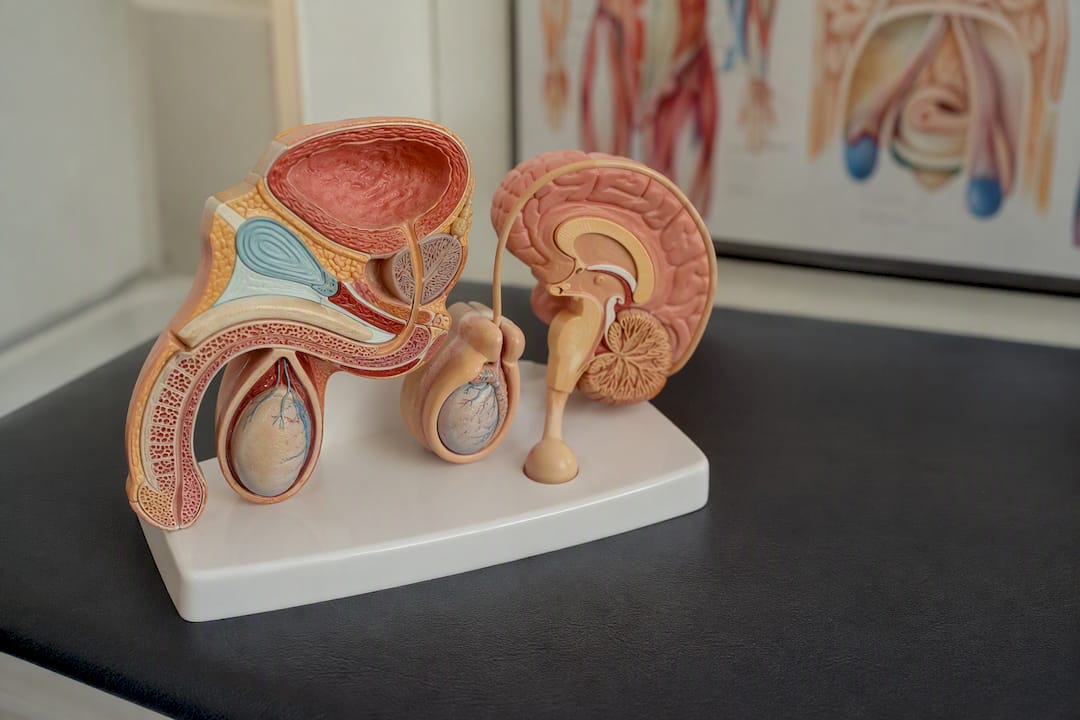
Beyond that split, several risk factors raise the odds of low testosterone regardless of category: aging, obesity, type 2 diabetes, chronic illness, anabolic steroid use, opioid medications, testicular trauma, and untreated sleep apnea.
| Category | Typical drivers | What it signals |
|---|---|---|
| Testicular (primary) | Injury, undescended testicles, chemotherapy, genetic conditions | LH and FSH usually elevated |
| Pituitary/hypothalamic (secondary) | Pituitary tumors, chronic opioid use, severe obesity | LH and FSH usually low or normal |
| Systemic contributors | Diabetes, sleep apnea, chronic illness, aging | Often reversible with treatment of the underlying issue |
How Do Doctors Diagnose Low T?
A real diagnosis needs two things at once: symptoms that fit the pattern, and lab confirmation. Neither one alone is enough. At least two total testosterone blood draws, taken between 7 AM and 10 AM on separate days, are standard because levels swing throughout the day and peak in the morning.
Reference ranges vary by lab, so a number that looks borderline at one facility might read differently at another. That’s one reason a single test result should never settle the question on its own. If two morning tests confirm a low level, your clinician will typically order follow-up labs to pin down the cause:
- LH and FSH, to distinguish testicular from pituitary causes
- Prolactin, to screen for pituitary disorders
- Thyroid function tests, since hypothyroidism mimics several low-T symptoms
- Fasting glucose or A1c, since diabetes is a common contributor
- Hematocrit, which matters later if testosterone therapy is considered
- Pituitary MRI, ordered selectively when prolactin or LH/FSH results suggest a pituitary issue
Pro Tip: Avoid getting tested during an acute illness, a bad cold, recent surgery, or a major stressor can all temporarily suppress testosterone and produce a falsely low reading. Bring a full medication list, since opioids and certain steroids interfere with results.
A comprehensive hormone panel often catches these secondary findings in the same blood draw, which saves a follow-up visit.
Could Something Else Be Causing These Symptoms?
Several common conditions produce a nearly identical symptom profile to low testosterone, which is exactly why testing matters more than self-diagnosis. Depression causes fatigue, low libido, and poor concentration. Hypothyroidism causes fatigue and weight gain. Obstructive sleep apnea causes daytime exhaustion and can independently lower testosterone. Diabetes and heavy alcohol use both interfere with hormone production and energy levels.
Treating a man whose testosterone tests come back normal is unlikely to resolve his symptoms, no matter how convinced he is that low T is the culprit. Lifestyle changes and treating the actual underlying condition come first.
Certain findings point away from testosterone as the primary issue: sudden-onset sexual dysfunction with no gradual decline, neurologic symptoms like vision changes or headaches, or systemic symptoms like unexplained weight loss. Clinicians sort through these possibilities using a detailed history, a physical exam, and targeted labs, not testosterone testing alone.
What Are the Treatment Options for Low T Symptoms?
Treatment starts before testosterone replacement therapy ever enters the conversation. Weight loss, resistance training, treating sleep apnea, cutting back on alcohol, and reviewing medications for interfering drugs are the first line, and they resolve symptoms in a meaningful number of men without a prescription ever being written.
Testosterone replacement therapy (TRT) becomes a reasonable option specifically for men who have both confirmed low morning testosterone on repeat testing and clear symptoms, once reversible causes have been ruled out or addressed. TRT can improve libido, erectile function, energy, and muscle mass in men who genuinely qualify.
It also comes with real tradeoffs. Increased hematocrit can raise blood viscosity and clotting risk, prostate considerations require monitoring, and fertility can decline further during treatment since exogenous testosterone suppresses the body’s own sperm production. The FDA has issued class-wide labeling changes for testosterone products specifically to flag these cardiovascular and safety considerations for patients and prescribers alike.
Ongoing monitoring typically includes:
- Baseline labs before starting, including hematocrit and PSA when appropriate
- Repeat testosterone levels at follow-up intervals to confirm therapeutic range
- Periodic hematocrit checks to catch elevated red blood cell counts early
- Symptom review at each visit to confirm the therapy is actually working
Pro Tip: If you’re overweight, ask about weight management before starting TRT. Fat tissue converts testosterone to estrogen, so weight loss alone can meaningfully raise your baseline levels and sometimes changes the whole treatment conversation.
When Should You See a Clinician About Low T?
Certain patterns are worth booking an appointment over rather than waiting to see if things improve on their own:
- Sexual symptoms combined with persistent low energy
- Fatigue that doesn’t improve with better sleep habits
- Sudden testicular shrinkage or pain
- Fertility concerns after several months of trying to conceive
Before your visit, gather a few things that will make the appointment more productive:
- A current medication list, including supplements
- Notes on when symptoms started and how they’ve changed
- Recent weight history and sleep patterns
- Any prior lab results, even from unrelated checkups
Telehealth works fine for the initial conversation, but an in-person visit matters for a physical exam, testicular size and hair pattern are hard to assess over video, and both factor into the diagnosis.
How Does evoyouthful Evaluate Men for Low T?
A thorough evaluation at evoyouthful starts with a detailed history and a focused physical exam, followed by two early-morning testosterone tests to confirm any abnormal reading before treatment is ever discussed. When indicated, we add targeted labs, LH/FSH, prolactin, hematocrit, to identify the underlying cause rather than treating a number in isolation.
From there, testing typically wraps within one to two weeks, treatment eligibility gets determined by both your labs and your symptoms together, and anyone who starts therapy follows a structured monitoring schedule. Every plan gets built around your specific results, not a standard protocol applied to every patient who walks in.
What Clinicians Want You to Know Before Testing
Assessment always comes before treatment. That order matters because testosterone therapy prescribed on symptoms alone, without confirmed low morning labs, rarely delivers the results men expect and can introduce risks with no clear benefit. Realistic expectations matter just as much: TRT helps men who genuinely qualify, but it isn’t a fix for fatigue or low mood that stems from sleep apnea, depression, or thyroid disease. Safe, monitored care means testing twice, checking the right labs, and following up consistently, not writing a prescription at the first visit.
Ready to Get Your Testosterone Levels Checked?
If you’ve been matching your own symptoms against checklists for weeks instead of getting tested, evoyouthful can shortcut that uncertainty with a proper diagnostic workup in one clinic visit instead of months of guessing. Our approach for men follows the same protocol outlined above: a detailed history, a physical exam, and two early-morning testosterone tests before any treatment plan gets built.

Testosterone replacement therapy is appropriate specifically for symptomatic men with confirmed low morning testosterone on repeat testing, after reversible causes like sleep apnea, obesity, or medication effects have been addressed. If that describes where you’re at, you can start with a comprehensive hormone evaluation or learn more about bioidentical hormone replacement therapy at our Wayzata, MN clinic. Book a consult and get your first morning test scheduled this week.
Sources
For readers who want to go deeper, these sources informed the clinical guidance throughout this article:
- Hypogonadism (Endocrine Society patient resource)
- Male Hypogonadism - StatPearls (NCBI Bookshelf)
- Why testosterone levels drop and when to consider treatment - Harvard Health
- FDA issues class-wide labeling changes for testosterone products
This article is general information, not a substitute for advice from a qualified doctor. Consult a qualified healthcare professional about your own circumstances before acting on anything here.
Recommended
Ready to Start?
Schedule a Consultation
Have questions about what you just read? Our team is here to help.