

Comprehensive Lab Testing: What Your Blood Work Really Tells You
Elizabeth Vogstrom, PA-C
evoyouthful Clinical Team
Discover what is comprehensive lab testing and how it reveals crucial insights about your health. Learn about key markers and benefits!
Comprehensive Lab Testing: What Your Blood Work Really Tells You
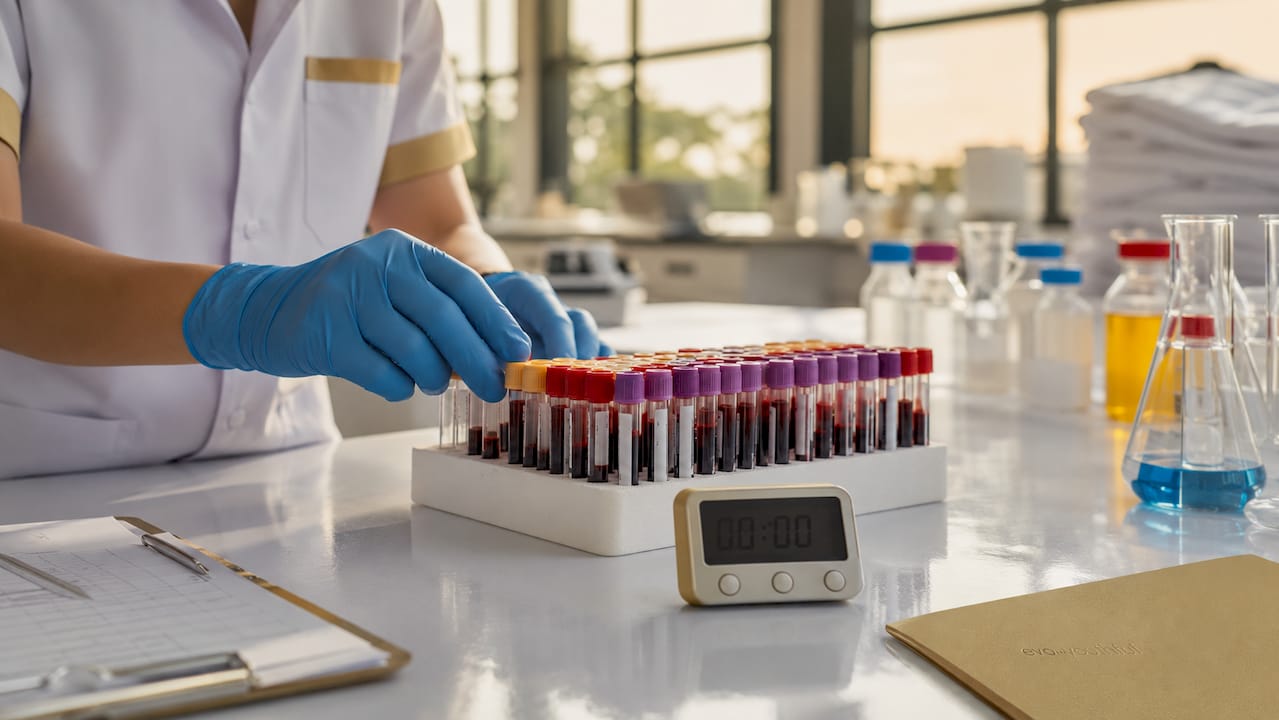
Comprehensive lab testing is a broad panel of blood and fluid analyses that evaluates multiple health markers at once, giving your provider a detailed picture of how your body is actually functioning. At its core, the Comprehensive Metabolic Panel (CMP) is a standard blood test measuring 14 specific substances, including electrolytes, glucose, proteins, and liver and kidney enzymes, to assess metabolic health and organ function. Rather than checking one system in isolation, comprehensive testing looks across systems simultaneously, which is what makes it so useful for catching problems early.
Here is what a standard comprehensive panel typically covers:
- Metabolic markers: glucose, calcium, electrolytes (sodium, potassium, bicarbonate, chloride)
- Kidney function: blood urea nitrogen (BUN), creatinine
- Liver function: ALT, AST, ALP, bilirubin, albumin, total protein
- Blood cell health: red cells, white cells, platelets (via CBC)
- Cardiovascular risk: total cholesterol, LDL, HDL, triglycerides (via lipid panel)
- Blood sugar control: HbA1c for average glucose over several months
Your doctor may order these panels together or as part of a broader wellness screen, depending on your age, symptoms, and health history.
What are the key components of a comprehensive lab panel?
The CMP’s 14 measured substances form the backbone of most comprehensive screens, but a truly thorough panel pulls in several additional test groups. Understanding what each one measures helps you have a more informed conversation with your provider.
| Test Category | What It Measures | Why It Matters |
|---|---|---|
| Comprehensive Metabolic Panel (CMP) | Glucose, electrolytes, kidney enzymes, liver enzymes, proteins | Metabolic health, organ function, acid-base balance |
| Complete Blood Count (CBC) | Red cells, white cells, hemoglobin, platelets | Immune health, anemia, infection, clotting |
| Lipid Panel | Total cholesterol, LDL, HDL, triglycerides | Cardiovascular disease risk |
| HbA1c | Average blood glucose over 2–3 months | Diabetes screening and management |
The CMP in detail. Each of the 14 components tells a specific story. Glucose flags blood sugar dysregulation. Calcium supports assessment of bone, nerve, and muscle function. BUN and creatinine reveal how well your kidneys filter waste. ALT and AST point to liver stress. Albumin and total protein reflect nutritional status and liver synthetic function. Bilirubin indicates how efficiently your liver processes red blood cell breakdown products. Sodium, potassium, bicarbonate, and chloride together show your fluid and acid-base balance.
The CBC adds a different dimension. Where the CMP focuses on chemistry, the Complete Blood Count looks at the cells themselves. A low red cell count may indicate anemia; an elevated white cell count can signal infection or inflammation; platelet levels affect clotting. Together with the CMP, the CBC gives your provider a much fuller picture than either test alone.
Lipid panels and HbA1c round out the cardiovascular and metabolic picture. Comprehensive health panels often include a lipid panel for cardiovascular risk and HbA1c for average blood glucose, providing a broader whole-body snapshot rather than a single organ-system focus. HbA1c is particularly valuable because it reflects glucose control over an extended recent period, not just the moment of the blood draw.
Why do doctors order comprehensive lab tests?
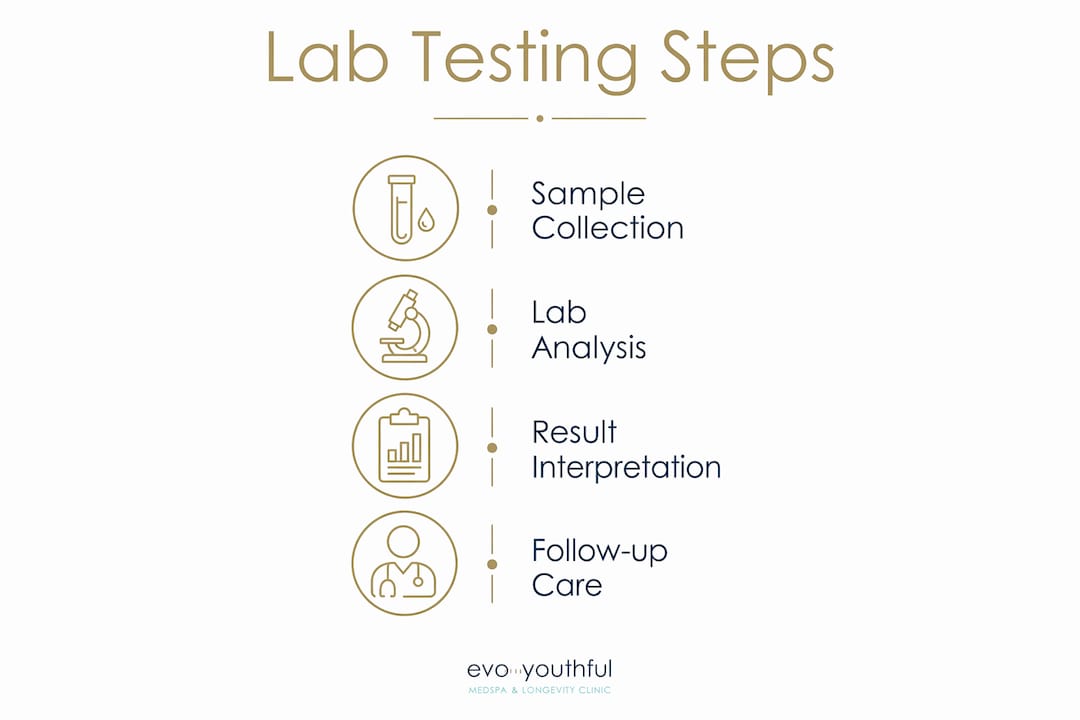
Lab tests serve four primary clinical purposes: screening for disease in people with no symptoms, diagnosing the cause of existing symptoms, monitoring the progression of known conditions, and classifying disease severity once a diagnosis is established. Comprehensive panels address all four at once, which is why they are so frequently ordered as part of annual physicals and preventive care visits.
Screening is where comprehensive testing really earns its place. Many serious conditions, including type 2 diabetes, chronic kidney disease, and early liver dysfunction, produce no noticeable symptoms for years. A fasting glucose or creatinine result outside the normal range can prompt follow-up long before a person feels unwell.
- Preventive screening: Detect silent conditions before symptoms appear
- Diagnosis support: Narrow down the cause of fatigue, weight changes, or persistent symptoms
- Treatment monitoring: Track how medications or lifestyle changes affect organ function over time
- Disease classification: Determine the stage or severity of a known condition like chronic kidney disease
- Baseline establishment: Create a reference point for future comparisons
Your provider plays a central role in deciding which panels to order. Age, family history, current medications, and existing diagnoses all shape that decision. A 35-year-old with no risk factors may receive a CMP and CBC; someone with a family history of heart disease will likely also get a lipid panel and HbA1c.
What actually happens during a comprehensive lab test?
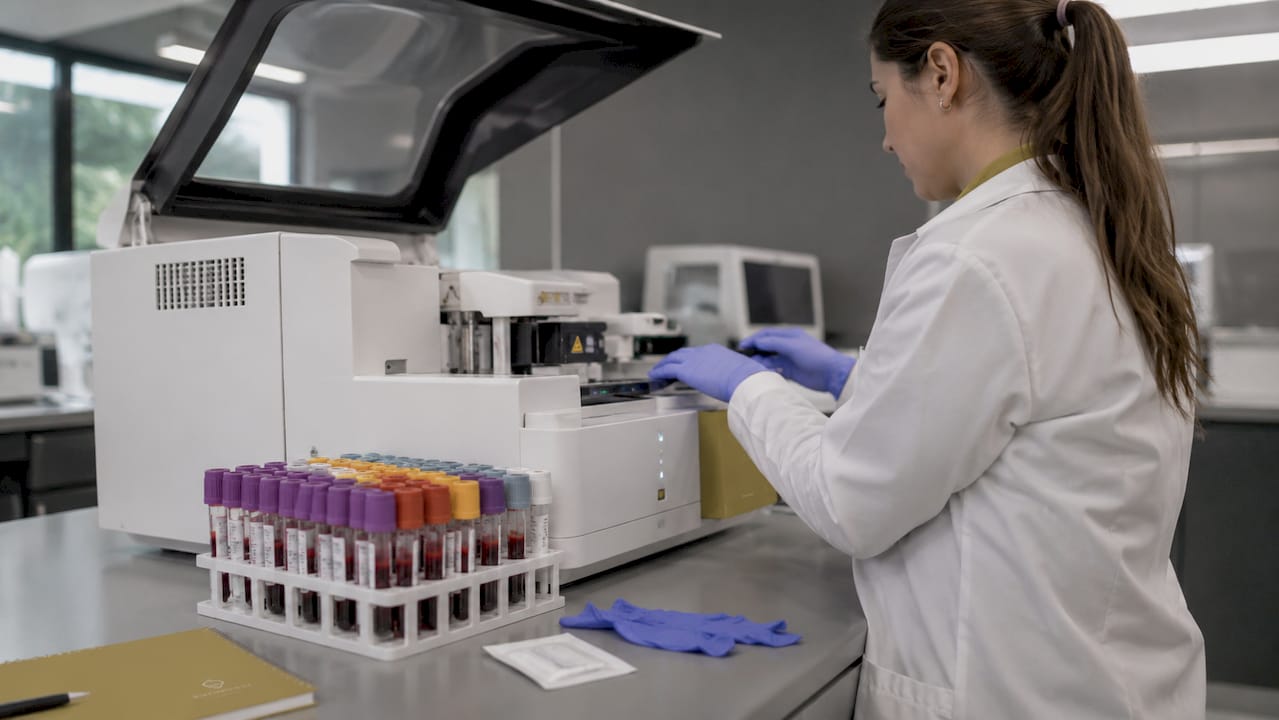
For most people, the experience is straightforward: a brief appointment, a blood draw, and results within a day or two. The CMP is typically conducted via blood draw requiring minimal patient preparation, though fasting may be required depending on which panels are included.
Here is what to expect from start to finish:
- Scheduling: Your provider orders the tests and sends a lab requisition, either to an in-office lab or an outpatient facility.
- Arrival: Check in and confirm which panels are being drawn. Bring your insurance card and a list of current medications.
- The draw: A phlebotomist cleans the inside of your elbow, inserts a small needle, and collects one or more vials of blood. The process takes a few minutes.
- Sample processing: Vials are labeled and sent to the lab, where automated analyzers measure each analyte.
- Results: Most comprehensive panels return results within a few days, delivered through your provider’s patient portal or discussed at a follow-up appointment.
The appointment itself is brief. Most people describe the needle stick as a quick pinch. If you are having multiple panels drawn, the phlebotomist may collect several vials from a single puncture site, which is normal and does not extend the procedure significantly.
How should you prepare, and what are the risks?
Preparation depends on which panels your provider orders. Fasting is required for accurate fasting glucose and lipid panel results; eating beforehand can artificially raise triglycerides and glucose. For panels that do not include these markers, fasting may not be necessary, so always confirm with your provider the day before.
Preparation checklist:
- Fasting: Usually several hours of no food or caloric beverages before the draw if a lipid panel or fasting glucose is included
- Hydration: Drink water freely; staying hydrated makes veins easier to access
- Medications: Do not stop any prescription medications without consulting your provider first; some affect results and your provider needs to account for that
- Supplements: Mention any vitamins or herbal supplements, as some can influence liver enzymes or other markers
- Timing: Schedule morning appointments when possible to make fasting easier
The risks of a blood draw are minimal. Bruising at the puncture site is the most common side effect, and a small risk of infection exists, though both are generally low and manageable. People with clotting disorders or needle sensitivity should mention this to the phlebotomist beforehand. Fainting occasionally occurs in people who are anxious or have not eaten; sitting or lying down during the draw reduces that risk.
Pro Tip: If you tend to feel lightheaded after blood draws, ask to lie down during the procedure and stay seated for a few minutes afterward before standing. Bringing a small snack to eat immediately after is also helpful, especially after a fasting draw.
How do you make sense of your lab results?
Lab results reflect dynamic biomarkers, and the FDA emphasizes that results alone are insufficient without combining clinical exams, patient history, and current medications. A number outside the reference range does not automatically mean something is wrong. Context is everything.
- Reference ranges are population averages. What is “normal” for one person may not be normal for another, given differences in age, sex, body composition, and genetics.
- Trends matter more than single snapshots. A creatinine level that has risen steadily over three years tells a different story than one that has always been at the same level.
- Medications shift results. Statins lower LDL; corticosteroids raise glucose; certain antibiotics affect liver enzymes. Your provider needs your full medication list to interpret results accurately.
- Avoid self-diagnosis from raw numbers. An elevated ALT could reflect a recent intense workout, a fatty meal, or a medication effect, not necessarily liver disease.
- Ask for explanation. Your provider should walk you through which results are within range, which warrant monitoring, and which require follow-up testing.
Uninterpreted lab data can cause real confusion. A comprehensive test’s value depends entirely on a healthcare provider integrating results with your personal health context and building an actionable plan from them.
Pro Tip: Ask your provider to share results through a patient portal before your follow-up appointment. Reviewing them in advance lets you prepare specific questions, making the conversation more productive.
Results from comprehensive lab testing often use “normal” lab ranges that represent population averages, but functional medicine approaches apply narrower “optimal” ranges to identify subclinical imbalances that standard ranges may miss. A TSH of 4.5 mIU/L falls within the conventional normal range, for example, yet many functional practitioners consider anything above 2.5 mIU/L worth investigating for early thyroid dysfunction.
How comprehensive testing supports proactive health management
Standard panels give your provider a solid foundation, but expanded comprehensive screens go considerably further. Some panels include 80+ biomarkers covering hormones, heavy metals, inflammation markers, and vitamins, offering deeper health insights than a standard metabolic panel alone.
Integrative and functional medicine practitioners use this broader testing to detect subclinical nutrient, hormone, and inflammatory imbalances early, enabling proactive health management before a condition becomes diagnosable by conventional standards. At evoyouthful, this kind of thorough baseline informs personalized treatment plans, including bioidentical hormone replacement therapy for people whose lab work reveals hormonal imbalances that standard panels might flag only at advanced stages.
The benefits of broader panels include:
- Hormonal assessment: Estrogen, progesterone, testosterone, DHEA, and cortisol levels reveal endocrine imbalances affecting energy, mood, and body composition
- Inflammation markers: C-reactive protein (CRP) and homocysteine indicate cardiovascular and systemic inflammatory risk
- Nutrient status: Vitamin D, B12, ferritin, and magnesium deficiencies are common and correctable once identified
- Thyroid function: A full thyroid panel (TSH, Free T3, Free T4, thyroid antibodies) gives a more complete picture than TSH alone
- Heavy metal screening: Identifies toxic exposures that can impair neurological and metabolic function
Testing multiple markers together improves diagnostic accuracy and early detection compared to isolated single-marker tests. A full thyroid panel, for instance, catches patterns that a TSH measurement alone would miss entirely.
Consumers should verify biomarker count and panel contents before ordering any direct-to-consumer comprehensive panel, since offerings vary widely among providers. Knowing exactly what a panel includes helps you confirm it aligns with your wellness goals. For weight management specifically, understanding which biomarkers support medical weight loss can help you and your provider prioritize the right tests from the start.
The connection between lab results and proactive wellness is direct. Catching a vitamin D deficiency or an early hormonal shift at 40 gives you years to course-correct, rather than managing consequences at 55.
What are the limitations of comprehensive lab testing?
Comprehensive lab testing is a powerful tool, but it has real boundaries worth understanding before you read too much into your results.
Lab tests capture a single moment in time. Biomarkers fluctuate with sleep, stress, hydration, recent illness, and even the time of day. A cortisol level drawn at 2 PM tells a different story than one drawn at 8 AM. A single abnormal result often warrants repeat testing before any clinical action is taken.
Normal ranges do not equal optimal health. Reference ranges are built from population data, which means they reflect what is statistically common, not what is physiologically ideal. Someone can have every marker within the standard range and still feel fatigued, gain weight unexpectedly, or struggle with mood, because subclinical imbalances exist below the threshold of conventional detection.
Comprehensive panels cannot diagnose everything. Blood work does not capture structural problems like tumors, arterial plaques, or joint damage. It also cannot assess mental health conditions, sleep quality, or functional movement. Lab results are one input among many, not a complete health assessment on their own.
False positives and incidental findings create anxiety. A mildly elevated liver enzyme or a borderline calcium level can trigger follow-up testing, specialist referrals, and worry, even when the finding turns out to be clinically insignificant. This is not a reason to avoid testing, but it is a reason to work with a provider who can contextualize results calmly and clearly.
Direct-to-consumer panels require careful evaluation. Not all comprehensive panels are created equal. Some include dozens of markers with limited clinical utility; others omit key tests that would be standard in a physician-ordered panel. Working with a knowledgeable provider helps you avoid both over-testing and under-testing.
Understanding these limitations does not diminish the value of comprehensive testing. It simply means the results work best as a conversation starter with your provider, not a final verdict on your health.
Ready to understand your health at a deeper level?

At evoyouthful in Wayzata, MN, we use comprehensive lab results as the starting point for personalized wellness plans, not a checkbox. Whether your results point to hormone imbalances, metabolic shifts, or nutrient gaps, our team translates the numbers into a clear, actionable path forward. Schedule a consultation today and find out what your lab work is actually telling you.
Key Takeaways
Comprehensive lab testing delivers its greatest value when results are interpreted in full clinical context by a knowledgeable provider, not read in isolation from a patient portal.
| Point | Details |
|---|---|
| CMP covers 14 markers | The Comprehensive Metabolic Panel measures electrolytes, glucose, proteins, and liver and kidney enzymes in a single blood draw. |
| Four clinical purposes | Lab tests screen, diagnose, monitor, and classify disease severity, making them useful at every stage of care. |
| Fasting affects accuracy | Lipid panels and fasting glucose require 8–12 hours without food for reliable results. |
| Expanded panels go deeper | Some comprehensive screens include 80+ biomarkers covering hormones, inflammation, nutrients, and heavy metals. |
| Context determines meaning | The FDA states that lab results must be combined with clinical exams and patient history to be meaningful. |
Recommended
Ready to Start?
Schedule a Consultation
Have questions about what you just read? Our team is here to help.