

Regenerative Therapy Longevity Benefits: Your 2026 Guide
Elizabeth Vogstrom, PA-C
evoyouthful Clinical Team
Discover the regenerative therapy longevity benefits that can extend your vitality, sharpen cognition, and rejuvenate your health by 2026.
Regenerative Therapy Longevity Benefits: Your 2026 Guide
Regenerative therapy is defined as a category of medical treatments that repair, replace, or renew damaged cells and tissues to restore biological function and slow aging. The regenerative therapy longevity benefits now documented in clinical trials go well beyond cosmetic improvement. A 17-week multi-modal program reduced epigenetic age by an average of 2.7 years in adults aged 46–72. That result signals a genuine shift in how medicine approaches aging, not just symptom management. For adults between 35 and 65, these therapies offer a credible path to extended vitality, stronger joints, sharper cognition, and measurable biological rejuvenation.
1. What are the top regenerative therapies that offer longevity benefits?
Regenerative medicine groups its most effective tools into three primary categories: stem cell therapy, platelet-rich plasma (PRP), and exosome therapy. Each works through a different mechanism, but all share the goal of restoring cellular health rather than masking decline.
-
Stem cell therapy uses mesenchymal stem cells (MSCs) to signal the body’s own repair systems. MSCs work mainly through paracrine signaling, secreting growth factors and reducing systemic inflammation. Clinical trials showed improved walking performance and strength with a 200-million-cell dose. This makes MSC therapy one of the most studied options for reversing age-related frailty.
-
Platelet-rich plasma (PRP) therapy concentrates your own blood platelets and injects them into damaged tissue. The growth factors in PRP accelerate healing in tendons, joints, and skin. PRP is widely used for orthopedic recovery and is a strong entry point for adults new to regenerative care.
-
Exosome therapy represents the next generation of cell-free regenerative treatment. Exosomes are tiny vesicles that carry proteins and genetic signals between cells. They replicate many of the repair signals that stem cells produce, without introducing living cells. This makes them a flexible option for patients who want regenerative benefits with a simpler protocol.
Pro Tip: Ask your provider whether their stem cell or exosome products meet Good Manufacturing Practice (GMP) standards. Regulated clinics offer transparency around cell source and quality, which directly affects both safety and results.
2. How do regenerative therapies biologically slow aging and improve vitality?
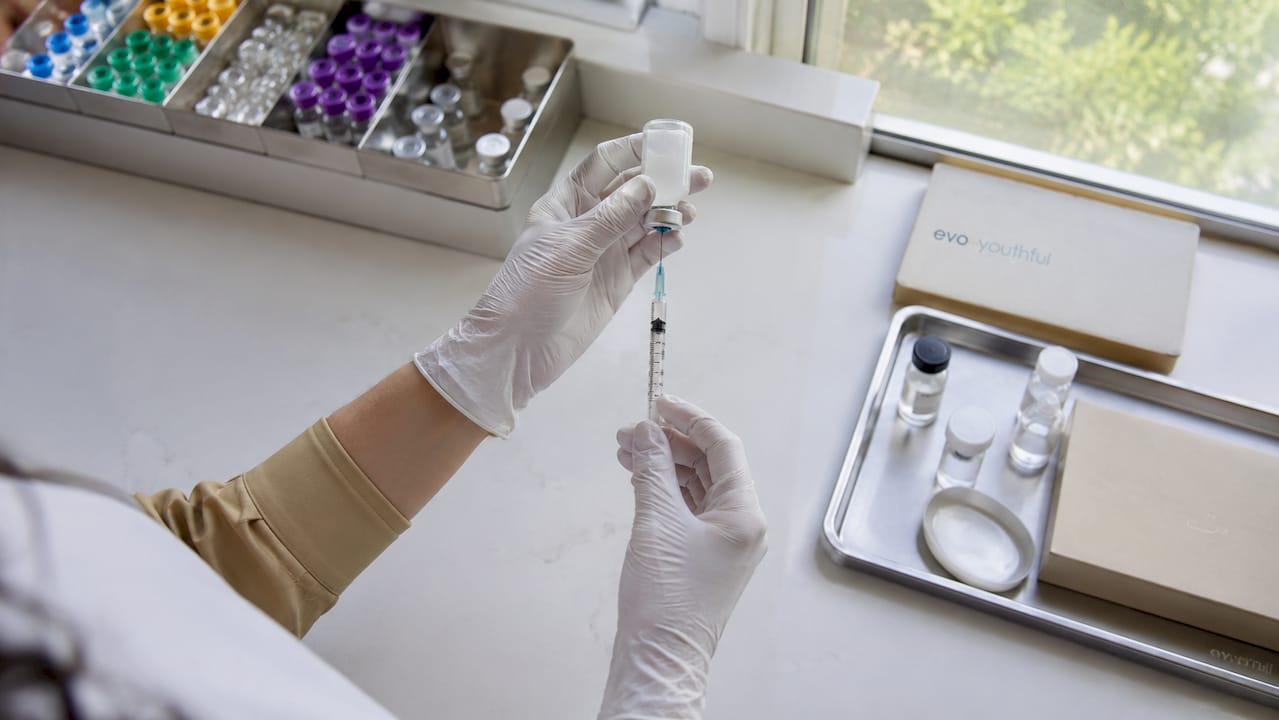
Regenerative therapies work at the cellular level to reverse several key drivers of biological aging. Understanding these mechanisms helps you set realistic expectations and choose the right protocol.
Epigenetic age reversal is one of the most compelling findings in recent research. Epigenetic markers are chemical tags on your DNA that reflect biological age, which can differ significantly from your calendar age. The multi-modal longevity protocol that reduced epigenetic age by 2.7 years shows that targeted therapy can genuinely turn back measurable aging clocks.
Reduction of inflammaging is equally important. Inflammaging refers to the chronic, low-grade inflammation that accumulates with age and drives conditions from arthritis to cognitive decline. Regenerative therapies, particularly MSC infusions, suppress pro-inflammatory signals and reduce the burden of senescent cells. Senescent cells are aging cells that stop dividing but refuse to die, releasing inflammatory signals that damage surrounding tissue.
“A high burden of senescent cells reduces the efficacy of MSC therapy. Combinational approaches using senolytics alongside regenerative cells are now the emerging clinical standard for overcoming this biological barrier.”
Mitochondrial and vascular function also improve with regenerative treatment. Mitochondria are the energy-producing units inside every cell, and their output declines with age. Growth factors secreted during regenerative therapy support mitochondrial repair and improve blood vessel health. Better circulation means more oxygen and nutrients reach tissues that need them most.
3. What should patients expect during premium regenerative therapy programs?
Premium regenerative programs follow a structured model designed to deliver measurable results, not one-size-fits-all treatments. Knowing what to expect helps you plan realistically.
Most programs fall into two formats. The first is a 4-day intensive treatment that delivers multiple therapies in a concentrated window. The second is an annual maintenance model with periodic infusions spaced throughout the year. Both formats include biomarker testing before treatment begins.
| Program Element | What to Expect |
|---|---|
| Initial biomarker testing | Blood panels, epigenetic age tests, and hormone profiling |
| Treatment duration | 4-day intensive or quarterly maintenance sessions |
| Pricing range | Approximately $1,300 to $27,200 depending on complexity |
| Recovery time | Minimal downtime; most patients resume normal activity within 24 hours |
| Results timeline | Energy improvements within days; structural changes within 3–6 weeks |
Pricing varies widely based on cell dose, therapy type, and program length. A basic PRP series sits at the lower end of the range. A full MSC and exosome infusion protocol with biomarker monitoring sits at the higher end. The results timeline follows a predictable pattern: energy boosts often appear within days of infusion, while structural improvements in joints and tissue take 3–6 weeks to become noticeable.
Pro Tip: Optimize your baseline biomarkers before starting any regenerative program. Correcting iron deficiency, hormone imbalances, and senescent cell burden before treatment significantly amplifies regenerative outcomes.
4. Which regenerative therapies provide the best outcomes for joint recovery and sports vitality?
Joint recovery is one of the strongest clinical applications for regenerative medicine, and the evidence is particularly relevant for active adults and golfers who place repeated stress on knees, hips, shoulders, and elbows.
PRP and stem cell injections show clinical success rates of 70–85% for joint pain and tendon injuries. That figure reflects durable improvements in function and pain reduction, not just short-term relief. These therapies replace damaged tissue signals and modulate local inflammation rather than simply numbing pain.
For active adults, the benefits extend beyond pain relief:
- Faster return to activity. Regenerative injections reduce recovery time after overuse injuries, allowing patients to return to golf, tennis, or running sooner than with conventional physical therapy alone.
- Reduced reliance on corticosteroids. Repeated cortisone injections weaken tendons over time. PRP and stem cell options repair tissue rather than suppress it.
- Long-term joint preservation. By addressing the underlying cellular damage, regenerative treatments slow the progression of osteoarthritis rather than managing its symptoms.
- Improved range of motion. Patients with rotator cuff injuries and knee osteoarthritis consistently report better mobility after PRP or MSC treatment.
- Personalized dosing for athletes. Active adults often benefit from higher-concentration PRP preparations tailored to their activity level and injury severity.
For golfers specifically, the combination of hip rotation stress and repetitive wrist and elbow loading makes joint pain treatment with regenerative options a practical and well-supported choice. The evidence for top regenerative therapies in joint recovery for golfers continues to grow as more sports medicine clinics adopt these protocols.
You can also pair regenerative joint care with proactive wellness strategies that address muscle strength, flexibility, and hormonal support for a more complete recovery plan.
5. How do lifestyle factors amplify regenerative therapy results?
Regenerative therapy produces its best results when paired with the right lifestyle foundation. Plasma-based therapies are most effective as part of a comprehensive anti-aging strategy rather than as standalone cures. Nutrition, sleep, and hormone balance each play a direct role in how well your body responds to regenerative treatment.
Sleep is where cellular repair happens at its highest rate. Adults who sleep fewer than seven hours per night show elevated inflammatory markers that directly counteract the anti-inflammatory effects of MSC therapy. Prioritizing sleep quality before and after treatment is not optional. It is a clinical requirement for getting full value from your investment.
Hormonal balance matters just as much. Declining testosterone, estrogen, and growth hormone levels reduce the body’s ability to respond to regenerative signals. Addressing hormonal imbalances before or alongside regenerative therapy creates a more receptive internal environment. Clinics that integrate bioidentical hormone replacement therapy with regenerative protocols consistently report better patient outcomes than those offering either treatment alone.
A wellness program that combines regenerative medicine with nutrition, sleep, and hormonal balancing represents the current best-practice model for longevity. Anti-aging regenerative therapy works best as one layer of a well-constructed health plan, not as a single intervention.
Key takeaways
Regenerative therapy delivers measurable longevity benefits by repairing cellular damage, reducing inflammation, and restoring biological function across joints, hormones, and aging tissue.
| Point | Details |
|---|---|
| Epigenetic age reversal is real | Clinical trials show a 2.7-year reduction in biological age with multi-modal regenerative protocols. |
| PRP and stem cells lead for joints | Success rates of 70–85% for joint and tendon conditions make these the top options for active adults. |
| Biomarker prep matters | Optimizing iron, hormones, and senescent cell burden before treatment amplifies results significantly. |
| Programs range widely in cost | Pricing runs from approximately $1,300 to $27,200 depending on therapy type and program complexity. |
| Lifestyle is not optional | Nutrition, sleep, and hormone balance are clinical requirements for getting full value from regenerative care. |
What I’ve learned from integrating regenerative therapies into longevity plans
After years of working with patients in the 35–65 age range, the single biggest mistake I see is treating regenerative therapy as a rescue plan rather than a proactive one. Patients who arrive with severely depleted hormone levels, poor sleep, and high inflammatory burden consistently see weaker results than those who arrive prepared. The biology is clear: a body already under stress has fewer resources to respond to regenerative signals.
The “clear and replace” model is the approach I find most compelling right now. Using senolytic agents to reduce the burden of aging cells before introducing MSC or exosome therapy creates a cleaner biological environment for repair. This is not theoretical. The clinical evidence supporting combinational approaches is growing, and the logic is sound. You would not plant seeds in compacted soil and expect a full harvest.
I also want to be direct about timelines. Patients sometimes expect dramatic changes within days. Energy often does improve quickly after infusion, and that is real. But the structural changes in joints, skin, and tissue take weeks to months. Managing that expectation honestly is part of good clinical care. Patients who understand the timeline stay committed to the full protocol and get the outcomes they came for.
The holistic anti-aging approach that combines regenerative therapy with nutrition, sleep, hormone optimization, and movement is not a marketing concept. It is what the evidence supports. Regenerative medicine is a powerful tool. It works best in the hands of a provider who treats the whole patient, not just the complaint.
— Elizabeth Vogstrom, PA-C
Personalized regenerative care at evoyouthful
evoyouthful is a medical aesthetics and longevity clinic in Wayzata, MN, built around the principle that aging well requires a personalized plan, not a generic protocol.
For patients ready to address longevity at the hormonal and cellular level, evoyouthful offers bioidentical hormone replacement therapy alongside peptide therapy, ExoMind cognitive support, and diagnostic assessments that map your biological baseline before treatment begins. Every plan starts with your biomarkers, not a menu. If you are between 35 and 65 and want to understand what regenerative care can realistically do for your vitality, schedule a consultation with the evoyouthful team in Wayzata. The conversation starts with your health, not a sales pitch.
FAQ
What is regenerative therapy and how does it support longevity?
Regenerative therapy uses biological tools such as stem cells, PRP, and exosomes to repair damaged tissue and reverse cellular aging. Clinical evidence shows it can reduce epigenetic age and improve physical function in adults aged 46–72.
How long does it take to see results from regenerative therapy?
Energy improvements often appear within days of treatment, while structural changes in joints and tissue typically become noticeable within 3–6 weeks. Optimal outcomes depend on personalized dosing and baseline health status.
Are regenerative therapies safe for adults over 50?
Regenerative therapies are generally well-tolerated in adults over 50 when delivered by regulated clinics following GMP standards. Safety and efficacy improve significantly with personalized medical oversight and biomarker-guided protocols.
What is the success rate of PRP and stem cell therapy for joint pain?
PRP and stem cell injections show clinical success rates of 70–85% for joint pain and tendon injuries. These therapies address the underlying cellular damage rather than simply suppressing pain signals.
Do I need to change my lifestyle for regenerative therapy to work?
Lifestyle factors including nutrition, sleep, and hormone balance are clinical requirements for maximal regenerative therapy results. Plasma-based and cell-based therapies work best as part of a comprehensive health plan, not as standalone treatments.
Recommended
Ready to Start?
Schedule a Consultation
Have questions about what you just read? Our team is here to help.