
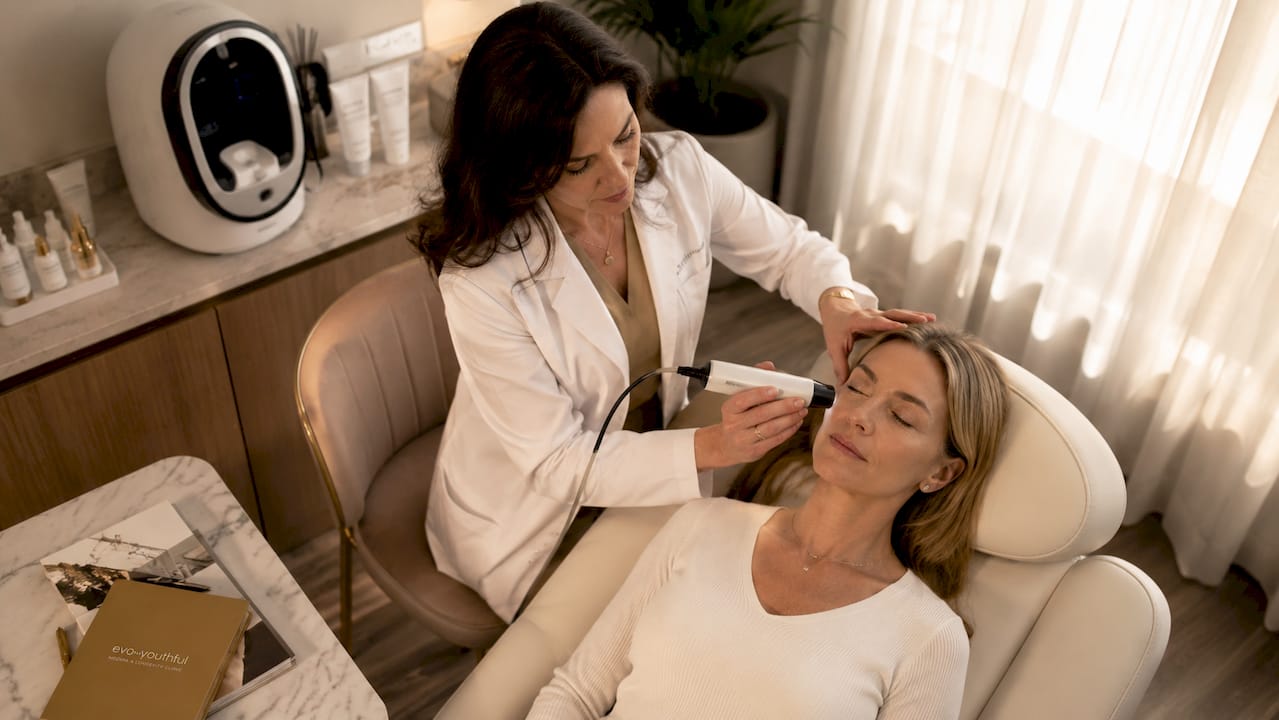
Skin Quality Assessment Clinic Guide for 2026
Elizabeth Vogstrom, PA-C
evoyouthful Clinical Team
Explore our Skin Quality Assessment Clinic Guide for 2026. Understand how to achieve better skin health with expert evaluations and personalized plans.
Skin Quality Assessment Clinic Guide for 2026
A professional skin quality assessment is defined as a structured clinical evaluation that measures firmness, surface evenness, tone evenness, and glow using objective tools and medical expertise. This skin quality assessment clinic guide exists because up to 33% of people experience skin problems in their lifetime, yet most never receive a thorough clinical evaluation. A retail skincare consultation is not the same thing. A true clinic skin evaluation combines multi-spectral imaging, physical examination, and a detailed medical history to produce a personalized treatment plan. At evoyouthful in Wayzata, MN, that process follows the latest international consensus frameworks so your results are grounded in science, not guesswork.
What does a skin quality assessment clinic guide actually cover?
The term “skin quality assessment” is widely used, but the recognized clinical standard is the Emerging Perceptual Categories (EPC) framework. A 2024 international consensus defined four universal EPC indicators: firmness, surface evenness, tone evenness, and glow. These four categories now underpin global treatment selection algorithms for fillers, energy-based devices, and topical therapies. Understanding them before your appointment helps you ask better questions and set realistic expectations.
The EPC framework matters because it gives clinicians and patients a shared vocabulary. Instead of describing your skin as “dull” or “tired,” a trained provider can point to a specific EPC score and link it directly to a treatment category. That precision separates a medical aesthetics clinic from a spa.
What to expect during a professional skin assessment appointment
A professional digital skin analysis session typically lasts 20–30 minutes and delivers an instant digital report at the end. That report becomes the foundation of your personalized treatment plan. The session is not uncomfortable, and most people find it straightforward once they know what to expect.
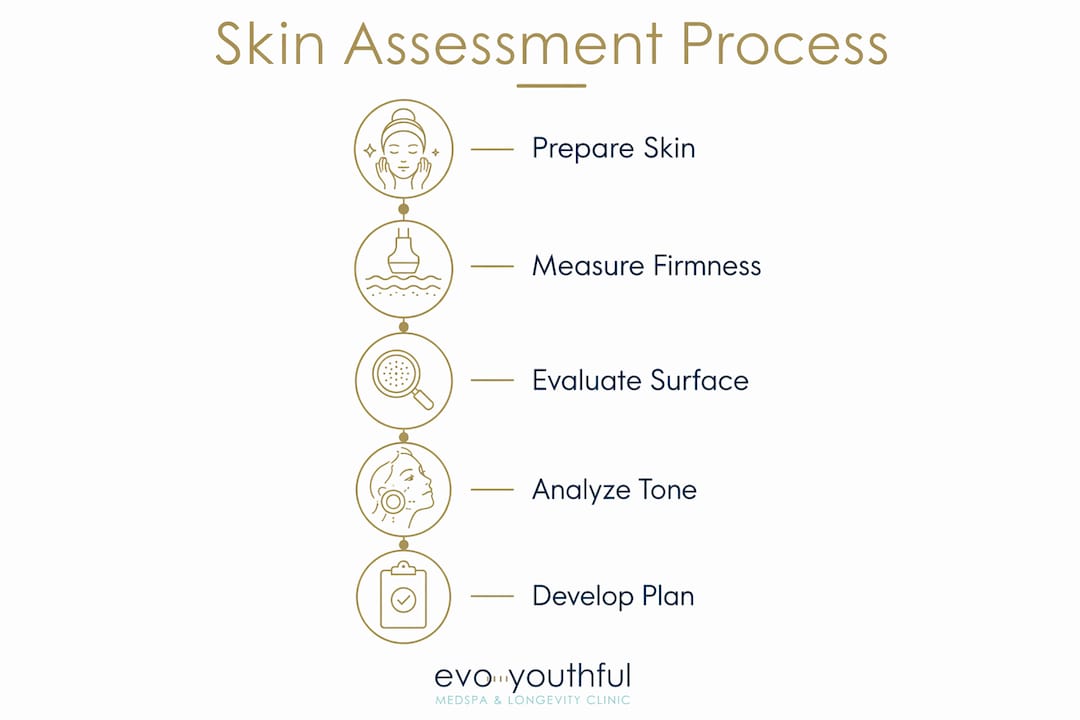
Here is what the standard clinical flow looks like:
- Intake and history review. Your provider collects your medical history, current medications, skincare routine, and lifestyle factors before any imaging begins.
- Visual inspection. The clinician examines your skin under standard lighting, noting texture, pigmentation, redness, and visible pores.
- Palpation. Physical touch assesses firmness, elasticity, and hydration levels that cameras alone cannot capture.
- Multi-spectral imaging. The device captures your skin under visible, polarized, and UV light. Multi-spectral imaging reveals sub-surface pigmentation, vascular inflammation, and bacterial activity invisible to the naked eye.
- Instrumental testing. Devices measure hydration levels, sebum production, and transepidermal water loss with objective numbers.
- Report review. Your provider walks you through the digital report and explains findings in plain language before discussing treatment options.
Pro Tip: Ask your provider to show you the UV light images side by side with the standard photos. The contrast between what you see in the mirror and what UV light reveals is often the most convincing argument for early intervention.
How are the four key skin quality indicators assessed?
Each EPC category requires a different assessment method. Clinicians do not rely on a single tool. They combine imaging, instrumentation, and physical examination to score each indicator accurately.
| EPC Indicator | What it measures | Primary assessment method |
|---|---|---|
| Firmness | Elasticity, collagen integrity, hydration | Cutometer device, palpation |
| Surface evenness | Fine lines, pore size, texture irregularities | Polarized light imaging, profilometry |
| Tone evenness | Pigmentation, redness, blemishes | UV and cross-polarized imaging |
| Glow | Light reflection, luminosity, skin translucency | Standard light photography, visual scoring |
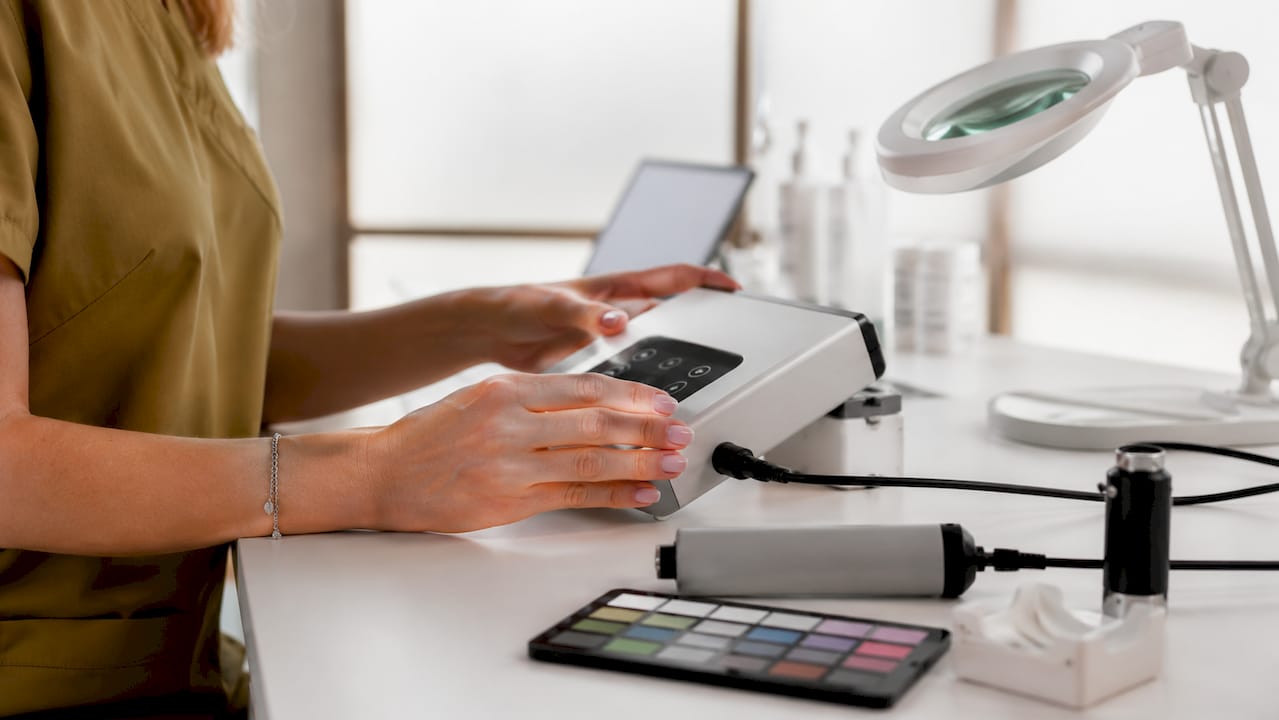
Firmness declines when collagen and elastin production slow, which accelerates after the mid-30s. A cutometer measures skin rebound after gentle suction, giving a numeric elasticity score. That number tells your provider whether the concern is primarily hydration loss or deeper structural collagen degradation. The treatment path differs significantly between the two.
Surface evenness captures everything from fine lines to enlarged pores and rough patches. Polarized light imaging removes surface glare so the clinician sees texture irregularities that are invisible under normal lighting. Tone evenness uses UV and cross-polarized filters to map pigmentation deposits and vascular redness below the skin surface. Glow, the fourth indicator, reflects how well your skin scatters and reflects light. Low glow scores often point to dehydration, surface cell buildup, or compromised barrier function.
The EPC framework improves communication by translating subtle visual cues into clear, measurable treatment targets. That clarity benefits both the clinician designing your plan and you as the person receiving it.
Pro Tip: If your clinic does not explain which EPC category your primary concern falls under, ask directly. A well-trained provider should be able to answer in one sentence.
How to prepare for your skin health clinic visit
Preparation directly affects the accuracy of your assessment. Residual skincare products interfere with optical diagnostics, so arriving with clean, makeup-free skin is non-negotiable. Skip your morning moisturizer, serum, and SPF on the day of your appointment.
Beyond clean skin, the information you bring matters just as much as the technology used:
- Medication list. Certain medications, including retinoids, hormonal therapies, and immunosuppressants, directly affect skin biology and must be disclosed.
- Skincare routine. List every product you use, including cleansers and SPF. Overuse of active ingredients can mimic inflammatory skin conditions.
- Lifestyle factors. Sleep quality, stress levels, diet, and alcohol consumption all influence skin health. Anamnesis involving lifestyle and stress factors helps clinicians differentiate between surface dehydration and deeper inflammatory skin issues.
- Hormonal history. Menstrual cycle patterns, perimenopause status, and hormonal contraceptive use affect pigmentation, oiliness, and collagen levels.
- Previous treatments. Disclose any injectables, laser treatments, or chemical peels you have had, including approximate dates.
Realistic expectation setting during the consultation is as important as the technology used. A reputable clinic will tell you what a treatment can and cannot achieve before you commit to anything.
How do clinics turn assessment results into a treatment plan?
The post-assessment process is where clinical expertise separates a good outcome from a great one. Your provider reviews the multi-spectral images and instrumental data, then translates the findings into language you can act on.
- Score each EPC indicator. The clinician assigns a relative score to firmness, surface evenness, tone evenness, and glow based on imaging and device data combined.
- Identify the primary concern. Not all four indicators need treatment at once. The provider prioritizes the category with the greatest impact on your skin health and your personal goals.
- Match indicators to treatment modalities. Low firmness scores typically point toward dermal fillers, collagen-stimulating energy devices, or peptide therapies. Poor tone evenness may call for laser or light-based treatments. Surface irregularities often respond to RF microablation or medical-grade topicals.
- Discuss shared decision-making. You choose which treatments to pursue based on your budget, downtime tolerance, and priorities. A good provider presents options, not mandates.
- Schedule follow-up assessments. Follow-up skin analyses every 3–6 months allow your provider to track improvements and adjust the plan as your skin responds to treatment.
Integrating patient-reported outcomes with instrumental data produces a more complete picture of treatment impact. How your skin looks in the mirror matters, and so does how it feels to you day to day.
Pro Tip: Ask your provider to photograph your skin at every follow-up using the same imaging settings. Side-by-side comparisons over 6–12 months are far more motivating than relying on memory alone.
For a broader look at what to expect when choosing a clinic, the boutique medical clinic evaluation guide from evoyouthful covers protocols and patient safety standards in detail.
Common mistakes that undermine skin assessment accuracy
Several avoidable errors consistently reduce the value of a clinical skin evaluation. Knowing them in advance protects your investment of time and money.
- Arriving with products on your skin. Sunscreen, foundation, and even tinted moisturizer scatter light and distort imaging results. Wash your face with a gentle cleanser the morning of your appointment and use nothing afterward.
- Underreporting your history. Omitting a supplement, a hormonal medication, or a recent peel can lead your provider to misattribute a finding. Full disclosure always produces a more accurate plan.
- Confusing retail consultations with clinical assessments. A department store skincare consultation is a sales interaction. A clinical skin evaluation uses calibrated devices, medical history, and trained interpretation. The outputs are not comparable.
- Chasing quick fixes. Addressing surface texture with a peel when the root cause is collagen loss produces temporary results. A thorough assessment identifies the structural issue so treatment targets the right layer of skin.
- Choosing clinics without medical oversight. Effective skin quality assessment combines clinical examination with objective diagnostics and quality-of-life measures. That combination requires trained medical professionals, not just estheticians with imaging devices.
“The difference between a skin assessment and a skin consultation is the difference between a diagnosis and a recommendation. One is grounded in objective data and medical training. The other is grounded in product availability. Patients deserve to know which one they are receiving.”
For additional context on how lifestyle and aging intersect with skin health, this step-by-step anti-aging guide offers a useful clinical perspective on skin changes after 30.
Key Takeaways
A professional skin quality assessment at a medical clinic is the most reliable way to identify the root causes of skin concerns and select treatments that address them directly.
| Point | Details |
|---|---|
| EPC framework guides treatment | Four indicators (firmness, surface evenness, tone evenness, glow) link directly to specific treatment categories. |
| Sessions last 20–30 minutes | Multi-spectral imaging and instrumental tests deliver an instant digital report to guide your plan. |
| Preparation affects accuracy | Arrive with clean, makeup-free skin and a complete medical and lifestyle history for reliable results. |
| Follow-up every 3–6 months | Periodic reassessments track improvement and allow treatment adjustments as your skin responds. |
| Medical oversight is non-negotiable | Clinical assessments require trained providers, calibrated devices, and objective data interpretation. |
Why objective data changed how I think about skin care
By Elizabeth Vogstrom, PA-C
Early in my career, I relied heavily on visual inspection and patient-reported concerns. That approach worked well enough, but it left too much room for subjective interpretation. When I started incorporating multi-spectral imaging and EPC scoring into consultations, the conversations with patients changed completely. Instead of debating whether a concern was “bad enough” to treat, we were looking at the same data together and making decisions based on evidence.
The EPC framework is not perfect. Clinicians must adapt assessment results to individual demographics and skin types, because a glow score that is normal for one skin type may indicate barrier dysfunction in another. Technology gives you a starting point, not a final answer.
What I find most rewarding is the shift in patient confidence. When someone sees their UV imaging for the first time and understands why their skin looks the way it does, they stop chasing random products and start following a plan. That shift from reactive to proactive skin care is where real, lasting improvement happens. Empathy and data together produce better outcomes than either one alone.
— Elizabeth Vogstrom, PA-C
Advanced skin assessments and personalized care at evoyouthful
evoyouthful in Wayzata, MN offers thorough skin evaluations that combine multi-spectral imaging, medical history review, and EPC-based analysis to build a treatment plan specific to your skin.

Whether your primary concern is texture, pigmentation, firmness, or overall skin health, the team at evoyouthful matches findings to evidence-based treatments. Options include skin resurfacing with Exion Clear RF Microablation, physician-curated medical-grade skincare, and injectable therapies. Every recommendation follows safety-first protocols with full medical oversight. Schedule a consultation at evoyouthful to receive a clear, data-driven picture of your skin and a plan you can trust.
FAQ
What is a skin quality assessment at a clinic?
A skin quality assessment is a structured clinical evaluation that measures firmness, surface evenness, tone evenness, and glow using multi-spectral imaging, instrumental devices, and a full medical history. It produces an objective report that guides personalized treatment planning.
How long does a clinical skin evaluation take?
A professional digital skin analysis session typically lasts 20–30 minutes and delivers an instant digital report at the end of the appointment.
How should I prepare for a skin assessment appointment?
Arrive with clean, makeup-free skin and no moisturizer, serum, or SPF applied that day. Bring a full list of medications, supplements, and your current skincare routine to support accurate assessment.
How often should I repeat a skin quality assessment?
Follow-up assessments every 3–6 months allow your provider to track treatment progress and adjust your plan based on how your skin responds over time.
What is the difference between a clinical assessment and a retail skincare consultation?
A clinical assessment uses calibrated imaging devices, instrumental testing, and trained medical interpretation to produce objective data. A retail consultation is a product recommendation based on visual observation and is not a substitute for clinical evaluation.
Recommended
Ready to Start?
Schedule a Consultation
Have questions about what you just read? Our team is here to help.