
Why Minnesota Winters Dry Out Your Skin: 2026 Guide
Elizabeth Vogstrom, PA-C
evoyouthful Clinical Team
Discover why Minnesota winters dry out skin and learn effective tips to combat winter dryness. Keep your skin healthy this season!
Why Minnesota Winters Dry Out Your Skin: 2026 Guide
Why Minnesota winters dry out skin faster than almost anywhere else
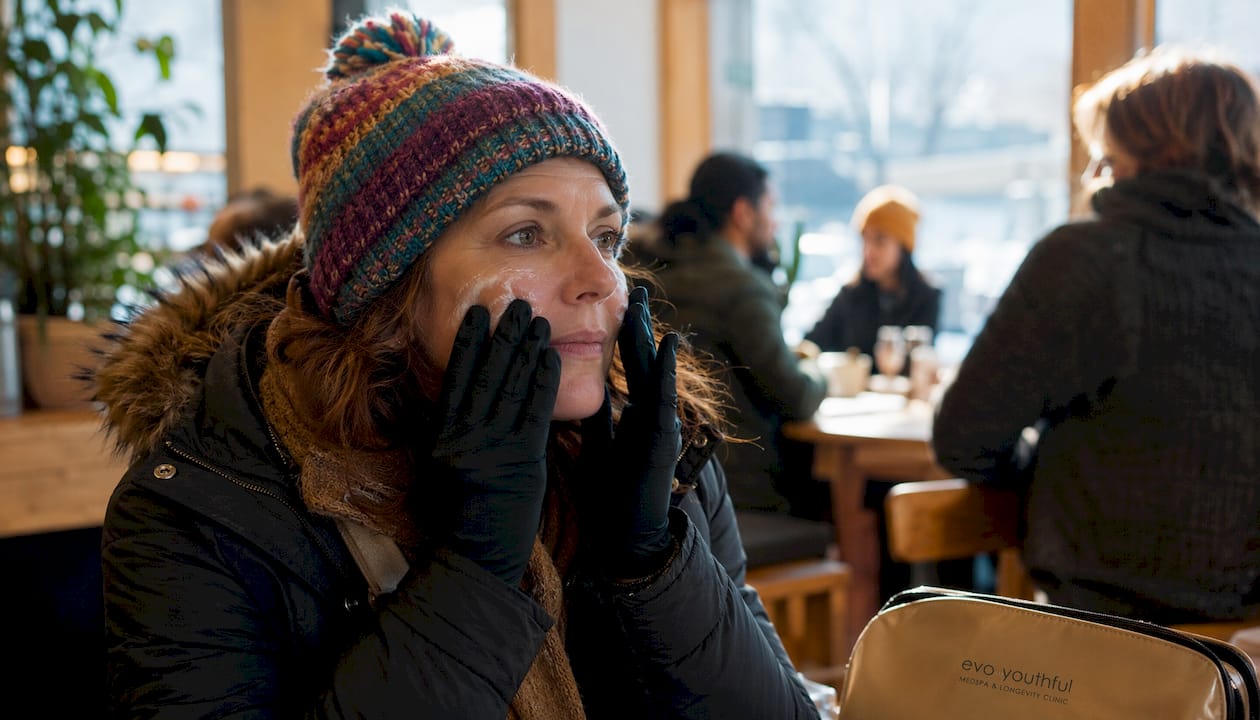
Minnesota winters are genuinely harsh on your skin, and the reason comes down to two forces working against you at the same time. Cold outdoor air holds very little moisture, and when you step inside, forced-air heating strips what little humidity remains from your indoor environment. Your skin’s outermost layer, the epidermis, reflects the humidity level around it. When both environments are dry, skin moisture drops sharply, compromising the barrier that keeps allergens, irritants, and even infections out.
The result shows up fast: itching, flaking, tightness, and cracking. For people with eczema, winter typically makes things noticeably worse, especially on the hands.
The main causes of winter skin dryness in Minnesota:
- Cold outdoor air carries very low humidity, pulling moisture from exposed skin
- Indoor heating reduces relative humidity further, accelerating water loss from the skin
- Natural oils that seal the skin barrier thin out in cold temperatures
- Wind accelerates moisture loss from any exposed skin surface
- Frequent handwashing during cold and flu season strips oils repeatedly throughout the day
How to protect your skin with the right winter routine
The most effective defense against dry skin in Minnesota winters is a consistent, layered moisturizing routine. Dr. David Pearson, MD, FAAD, at the University of Minnesota Medical School, puts it plainly: moisturize, moisturize, moisturize. Cream-based products you scoop from a jar or squeeze from a tube tend to have a higher oil content than pump-dispensed lotions, making them more effective at sealing the skin barrier during cold months.
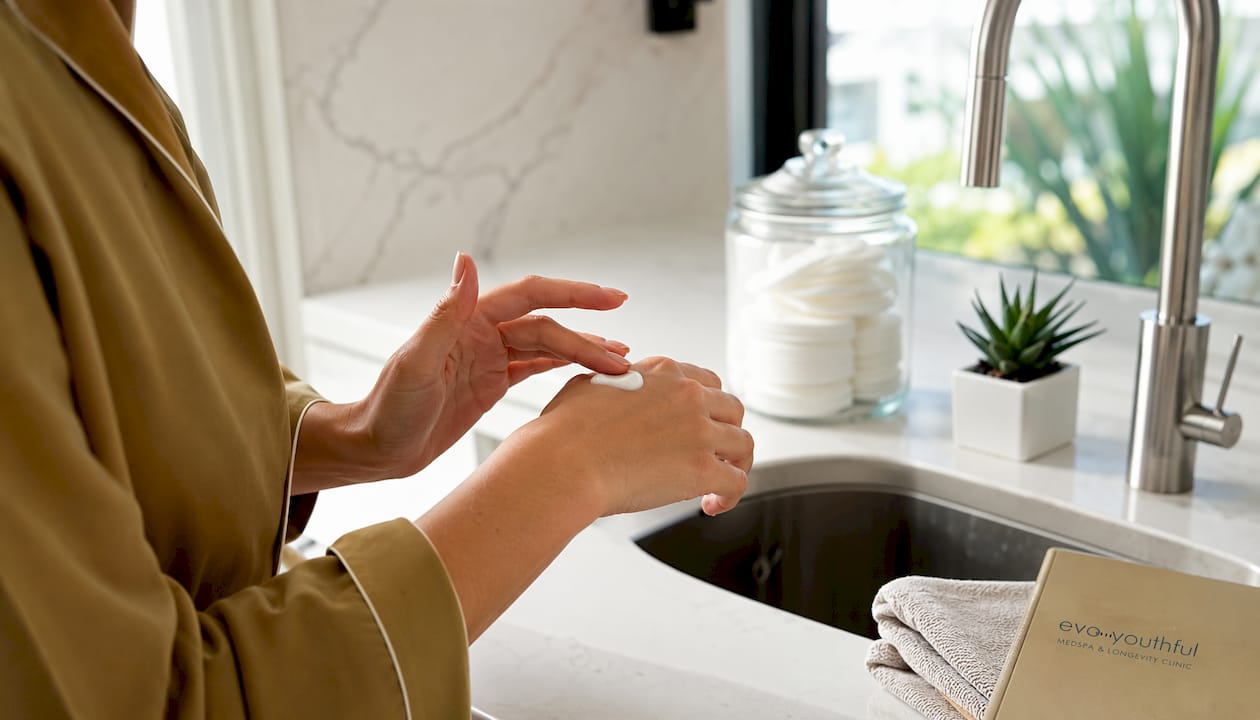
Look for moisturizers that contain ceramides, which replenish the lipids your skin loses to dryness and restore barrier function. Humectants like hyaluronic acid and glycerin draw water into the skin, while emollients smooth and soften by filling gaps between skin cells. Using all three in combination gives you the best coverage against winter dryness.
Actionable winter skin care tips:
- Run a humidifier indoors and set it between 30%–60% humidity to replenish moisture in the air
- Limit showers to 5–10 minutes using lukewarm, not hot, water to avoid stripping natural oils
- Apply a fragrance-free moisturizer immediately after bathing, while skin is still slightly damp
- Pat skin dry with a soft towel rather than rubbing, which adds unnecessary friction
- Swap harsh or fragranced soaps for gentle, fragrance-free cleansers that preserve natural oils
- Apply broad-spectrum SPF 30+ daily. Snow reflects up to 80% of UV rays, so winter sun exposure adds up quickly
Pro Tip: Apply a thick, fragrance-free moisturizer to your hands and feet at bedtime, then cover them with cotton gloves or socks. This overnight method, sometimes called “slugging,” seals in moisture while you sleep and works especially well for cracked heels and winter-chapped hands.
Local Minnesota skin care: when to go further than moisturizer
Outdoor wind exposure is one of the most underestimated causes of dry skin in Minnesota. Wind pulls moisture from the skin surface faster than still cold air, so covering your face, hands, and neck before stepping outside is a practical first line of defense. A medical-grade moisturizer formulated for sensitive or reactive skin can provide an additional protective layer before you head out.

Minnesota winters also bring vascular skin conditions that go beyond ordinary dryness. Raynaud’s and pernio (chilblains) are both triggered by cold exposure. Raynaud’s causes rapid white or blue discoloration of the fingers and toes from blood vessel constriction. Pernio appears as tender pink bumps on the fingers and toes one to two days after cold exposure. Both conditions respond well to protective clothing and avoiding prolonged time in the cold.
Signs it’s time to see a dermatologist or skin care professional:
- Dryness that does not improve after two weeks of consistent moisturizing
- Cracked skin that bleeds or shows signs of infection
- Symptoms of eczema flaring significantly during winter months
- Suspected Raynaud’s or pernio that recurs with cold exposure
- Persistent itching that disrupts sleep or daily activity
Expert insights on adapting your skin care for Minnesota winters
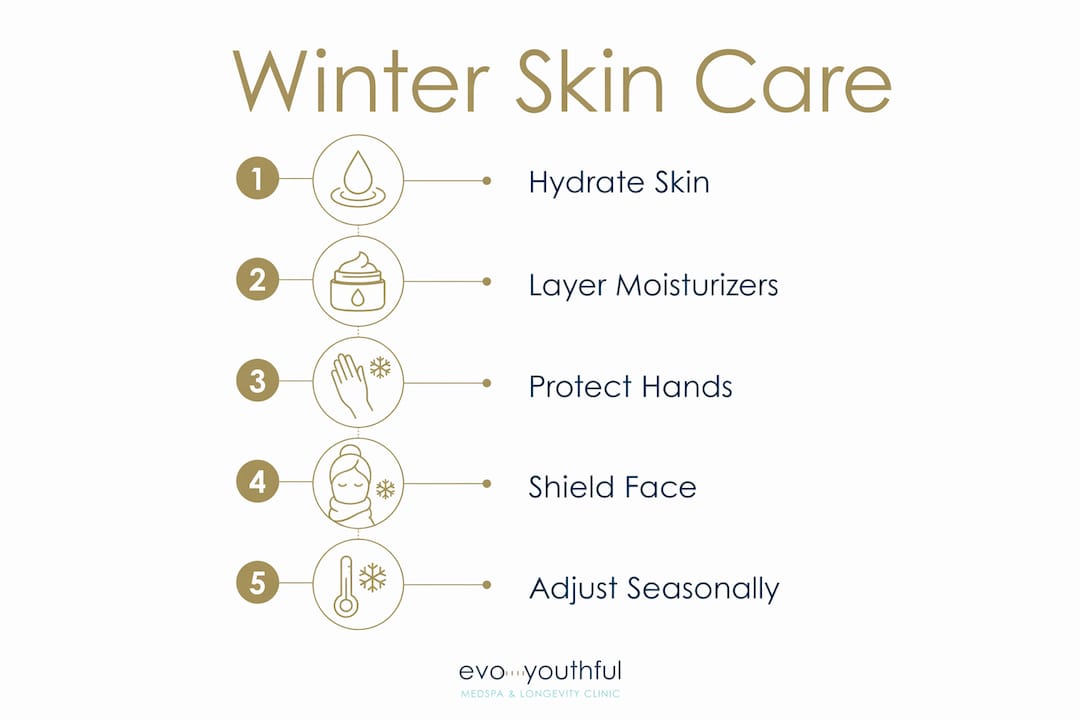
Dermatologists who treat patients through Minnesota winters consistently recommend one seasonal adjustment that surprises many people: pull back on active ingredients. Glycolic acid, salicylic acid, and retinoids can irritate a stressed skin barrier during freezing months. Saving these for warmer seasons, or reducing their frequency, gives your skin a better chance to stay intact when the environment is already working against it.
Another common misconception is that drinking more water will fix dry skin. It won’t. Topical barrier protection through occlusive moisturizers is far more effective because skin moisture is maintained externally, not delivered through hydration alone. Water intake supports overall health, but it does not replace a good moisturizer.
Key seasonal adjustments from dermatologists:
- Reduce or pause retinoids and exfoliating acids during the coldest months
- Switch to a richer, cream-based moisturizer rather than a light lotion
- Add ceramide-containing products to actively repair the barrier, not just maintain it
- Use a combined moisturizer and SPF product daily to simplify your routine and stay consistent
- Protect your skin’s hydration year-round, not only when symptoms appear
Ready to go beyond moisturizer?

If dry, damaged skin persists through the winter despite a solid home routine, professional care can make a real difference. evoyouthful in Wayzata, MN offers skin rejuvenation treatments and regenerative therapies designed to restore and protect your skin at a deeper level. From plasma skin therapy to personalized wellness consultations, the team at evoyouthful helps Minnesota residents build a plan that works for their skin type and lifestyle. Schedule a consultation to find out which treatments are right for you.
Key Takeaways
Minnesota winters dry out skin because cold outdoor air and indoor heating together strip the skin’s natural oils and moisture barrier, making consistent moisturizing and barrier repair the most effective response.
| Point | Details |
|---|---|
| Cold air and heating work together | Low outdoor humidity and dry indoor heat both pull moisture from the skin barrier. |
| Ceramides, humectants, and emollients | These three ingredient types together replenish, attract, and seal skin moisture most effectively. |
| Humidifier target range | Setting a humidifier to 30%–60% humidity helps replenish moisture in the skin indoors. |
| Overnight slugging for severe dryness | Applying thick moisturizer or petroleum jelly under cotton gloves or socks at bedtime accelerates barrier healing. |
| Reduce active ingredients in winter | Glycolic acid, salicylic acid, and retinoids can irritate an already stressed skin barrier during cold months. |
Recommended
Ready to Start?
Schedule a Consultation
Have questions about what you just read? Our team is here to help.