

What Is a Medical Aesthetics Clinic? 2026 Guide
Elizabeth Vogstrom, PA-C
evoyouthful Clinical Team
Discover what a medical aesthetics clinic is and how it enhances your appearance with safe, non-surgical treatments from licensed professionals.
What Is a Medical Aesthetics Clinic? 2026 Guide
A medical aesthetics clinic is a medically supervised facility that delivers science-backed, non-surgical cosmetic treatments by licensed healthcare professionals targeting skin health and natural appearance enhancement. Unlike a day spa or beauty salon, this type of clinic operates within a regulated healthcare framework where practitioners hold formal training in anatomy, physiology, and pharmacology. The definition of medical aesthetics centers on one core principle: improving how you look and feel through clinically validated methods, not cosmetic-only products. If you have been wondering what is a medical aesthetics clinic and whether it is right for you, this guide covers everything from treatments and safety standards to what your first appointment actually looks like.
What is a medical aesthetics clinic and what does it treat?
A medical aesthetics clinic is defined as a medically supervised facility offering evidence-based, non-surgical interventions such as neuromodulators, dermal fillers, laser resurfacing, and regenerative therapies. These clinics sit between a traditional medical office and a wellness spa, combining clinical rigor with a focus on appearance and confidence. The treatments go deeper than surface-level skincare. They target the dermis and underlying tissue to produce measurable, lasting results.
The field is also called aesthetic medicine or cosmetic medicine in clinical settings. Both terms refer to the same discipline: using medical knowledge and technology to enhance natural features without surgery. Evoyouthful in Wayzata, MN is one example of a clinic that combines skin rejuvenation, regenerative therapies, and wellness treatments under one roof, with licensed professionals guiding every step.
What treatments and procedures are offered?
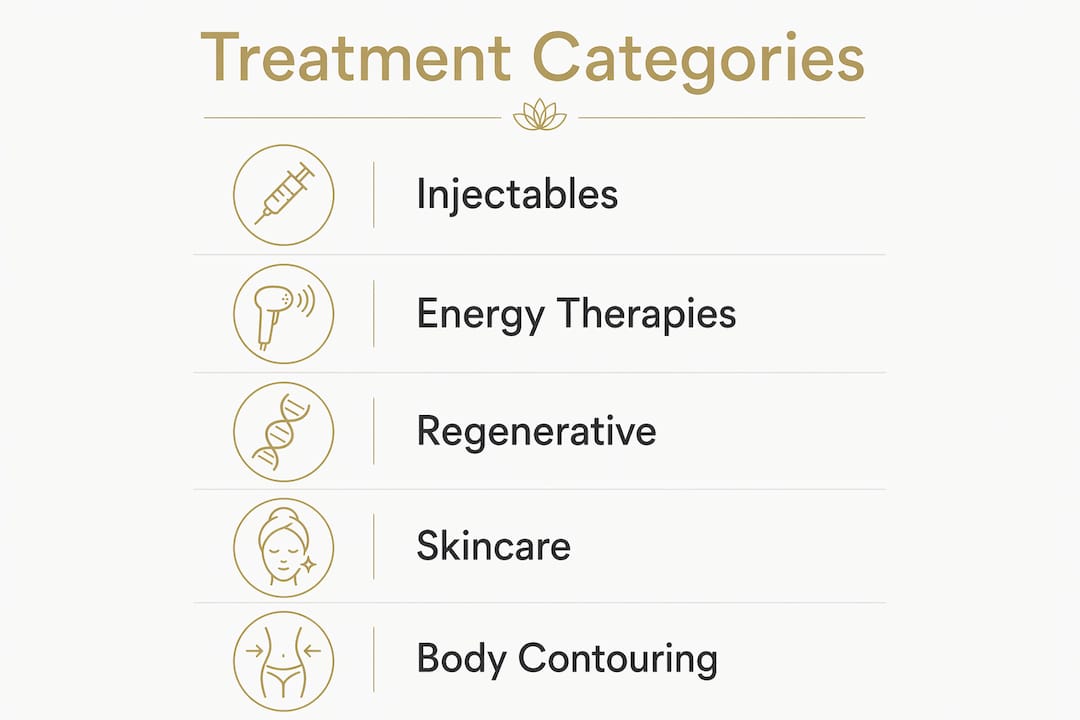
Services offered in medical aesthetics fall into four broad categories: injectables, energy-based therapies, regenerative treatments, and medical-grade wellness services. Understanding these categories helps you match your goals to the right procedure.
Injectables for wrinkle reduction and volume restoration
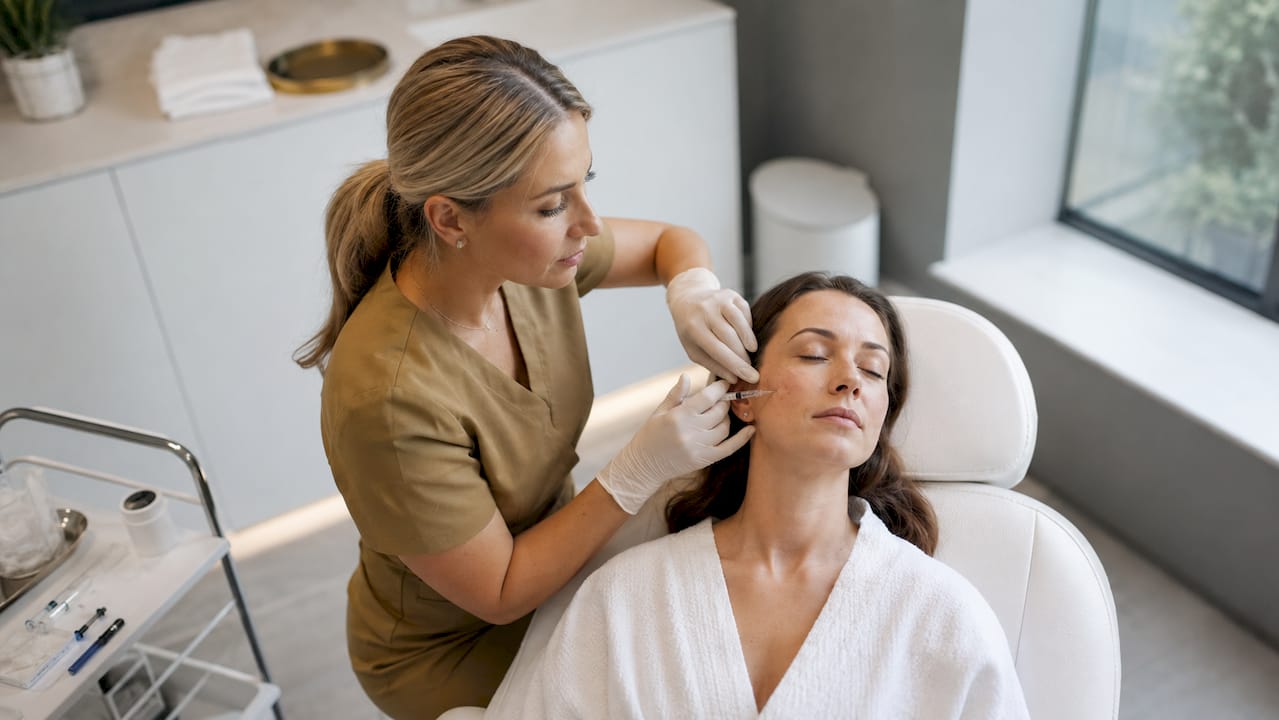
Neuromodulators like Botox, Dysport, and Daxxify relax targeted facial muscles to soften expression lines. Dermal fillers restore lost volume in areas like the cheeks, lips, and jawline using hyaluronic acid or collagen-stimulating compounds like Sculptra. Results from neuromodulators typically last 3–6 months, while some fillers and biostimulators can last 12–24 months.
Laser, plasma, and energy-based therapies
Laser and energy-based devices treat pigmentation, texture, fine lines, and skin laxity at the tissue level. Options include radiofrequency microneedling such as Exion Clear RF Microablation and plasma skin therapy like AgeJET, which uses plasma energy for comprehensive skin rejuvenation. These treatments stimulate collagen production and accelerate cellular turnover in ways that no topical product can replicate.
Regenerative and wellness therapies
Regenerative treatments use your body’s own biology to repair and renew tissue. PRF injections (platelet-rich fibrin) concentrate growth factors from your own blood and deliver them directly into the skin or scalp. Clinics like Evoyouthful also offer bioidentical hormone replacement therapy, peptide therapy, and ExoMind TMS treatments that address wellness from the inside out.
Medical-grade skincare and body contouring
Physician-curated medical-grade skincare lines deliver active ingredients at concentrations not available over the counter. Body contouring services like Emsculpt NEO use electromagnetic energy to build muscle and reduce fat simultaneously, without surgery or downtime.
Pro Tip: Ask your provider to categorize your treatment goals before your first appointment. Knowing whether you want to address texture, volume, pigmentation, or laxity helps the clinician build a focused, efficient plan rather than a generic one.
Here is a quick comparison of treatment categories by goal:
| Treatment Goal | Common Procedures | Typical Timeline |
|---|---|---|
| Wrinkle reduction | Botox, Dysport, Daxxify | 3–6 months per session |
| Volume restoration | Dermal fillers, Sculptra | 12–24 months |
| Skin resurfacing | RF microneedling, laser | 3–6 sessions over months |
| Regenerative repair | PRF injections, PRP | 3–4 sessions, then maintenance |
| Body contouring | Emsculpt NEO, Exion Body | 4–6 sessions per cycle |
Medical aesthetics clinic vs. traditional spa: key differences
The distinction between a medical aesthetics clinic and a traditional spa or beauty salon is not just about the treatments. It comes down to who performs them, what tools they use, and what safety systems are in place.
Medical aesthetics clinics operate within regulated healthcare frameworks with practitioners trained in anatomy, physiology, and pharmacology to manage treatment risks and complications. A spa aesthetician may hold a cosmetology license, but that credential does not authorize the use of pharmaceutical injectables, prescription-grade devices, or treatments that penetrate below the epidermis.
Here is how the two settings compare across the factors that matter most to patient safety:
| Factor | Medical Aesthetics Clinic | Traditional Spa or Salon |
|---|---|---|
| Practitioner credentials | MD, NP, PA, RN with aesthetic training | Licensed aesthetician or cosmetologist |
| Treatment depth | Dermal and subdermal | Epidermal only |
| Products used | Pharmaceutical and clinical-grade | Cosmetic-grade |
| Medical consultation | Mandatory before every treatment | Not required |
| Complication management | On-site medical protocols | Not available |
| Regulatory oversight | Healthcare regulations apply | Cosmetology board only |
Four qualities separate a reputable medical aesthetics clinic from a commercial aesthetic center:
- Medical consultation is required, not optional, before any procedure begins.
- Practitioners can legally administer prescription products like Botox, Dysport, and Daxxify.
- Clinical devices are FDA-cleared for the specific indications being treated.
- Ethical refusal protocols exist, meaning a qualified clinic will decline to perform treatments that are unsafe or anatomically inappropriate for a given patient.
High-quality clinics use clinical frameworks including baseline documentation with medical-grade photography and may refuse treatments that violate safety or anatomical guidelines. That ethical standard is what separates real medical oversight from a sales-driven aesthetic service.
Pro Tip: Before booking any injectable or laser treatment, confirm that a licensed medical professional, not just a technician, will perform or directly supervise your procedure. Ask specifically about their credentials and training in managing adverse events.
What should you expect during your first visit?
Your first appointment at a medical aesthetics clinic resembles a medical interview more than a spa consultation. The initial intake process typically lasts 30–60 minutes and covers your full medical history, current medications, skin health, and aesthetic goals. That thoroughness is intentional. It protects you.
Here is what a standard first visit includes:
- Medical history review: Allergies, medications, prior procedures, and health conditions that could affect treatment safety or outcomes.
- Skin analysis: A detailed assessment of skin type, texture, pigmentation, laxity, and hydration. Clinics like Evoyouthful use tools such as Aura Skin Analysis to document baseline skin condition objectively.
- Goal discussion: A candid conversation about what you want to improve and what realistic outcomes look like for your anatomy and timeline.
- Baseline photography: Medical-grade photography documents your starting point so progress can be tracked accurately over time.
- Personalized treatment plan: Your provider outlines recommended procedures, sequencing, estimated costs, and expected timelines based on everything gathered in the consultation.
- Informed consent and aftercare education: You receive a clear explanation of risks, benefits, and what to do after each treatment to protect your results.
One thing many first-time patients do not expect: a reputable clinic may recommend starting with fewer treatments than you requested. That restraint reflects clinical judgment, not a lack of options. It is a sign you are in the right place.
What are the benefits of a medical aesthetics clinic?
The core benefits of a medical aesthetics clinic go beyond the visible results. They include safety, personalization, and a long-term approach to skin health that compounds over time.
Medical aesthetics is designed as a gradual, cumulative process focused on natural enhancements and long-term skin health rather than quick, drastic changes. Successful treatment plans often extend 6–12 months to build collagen and skin vitality safely. That timeline is not a limitation. It is the mechanism by which lasting results are achieved.
Key benefits include:
- Natural-looking results: Practitioners prioritize enhancing natural features with subtle, balanced outcomes that support confidence without altering your fundamental appearance.
- Safety through medical oversight: Contraindication screening and complication protocols reduce risk significantly compared to non-medical settings.
- Personalized treatment planning: No two patients receive the same plan. Your anatomy, skin type, health history, and goals all shape the approach.
- Long-term skin health: Treatments like PRF, collagen-stimulating fillers, and laser resurfacing improve the underlying quality of your skin, not just its surface appearance.
- Accountability and tracking: Objective documentation with medical photography means your progress is measurable, not just subjective.
“Patients see the best outcomes with consistent maintenance and a partnership approach to skin health over time.” — AGAesthetics
The concerns addressed by aesthetic medicine range from fine lines and pigmentation to skin laxity, body contouring, and hormonal wellness. That breadth means a single clinic can support your appearance and health goals across multiple life stages.
Key takeaways
A medical aesthetics clinic delivers clinically supervised, non-surgical treatments that improve skin health and natural appearance through licensed practitioners, evidence-based procedures, and personalized long-term care plans.
| Point | Details |
|---|---|
| Definition is specific | A medical aesthetics clinic is a regulated healthcare facility, not a spa or salon. |
| Treatments go deeper | Procedures target the dermis and subdermal tissue using pharmaceutical and clinical-grade tools. |
| First visit is thorough | Expect a 30–60 minute consultation covering medical history, skin analysis, and goal setting. |
| Results build over time | Treatment plans spanning 6–12 months produce safer, more natural outcomes than single sessions. |
| Practitioner credentials matter | Only licensed medical professionals can legally administer injectables and clinical-grade devices. |
Why medical oversight changes everything in aesthetic care
I have seen patients come in after years of treatments at non-medical settings, frustrated that nothing lasted or that results looked off. The pattern is almost always the same: the person performing the treatment had no training in facial anatomy or pharmacology, and no one was accountable for the outcome.
Clinician knowledge of anatomy and pharmacology is not a credential detail. It is the difference between a filler placed safely in a tissue plane and one injected into a vascular structure. The risks are real, and they are manageable only when the person holding the syringe knows exactly what lies beneath the skin.
What I find most meaningful about working in this field is the philosophy behind it. The goal is never transformation. It is enhancement. When a treatment plan is built around your actual anatomy and health, the results look like you, only refreshed. That is what separates medical aesthetics from the commercial aesthetic industry.
My honest advice for anyone choosing a clinic: ask hard questions. Ask who performs the procedure, what their medical training is, and what happens if something goes wrong. A clinic that welcomes those questions is one you can trust. One that deflects them is one to avoid.
— Joshua
How Evoyouthful supports your skin and wellness goals
Evoyouthful in Wayzata, MN brings together the full spectrum of medical aesthetics and regenerative wellness under one clinical roof. From neuromodulators and dermal fillers to bioidentical hormone replacement therapy and advanced skin resurfacing, every treatment is guided by licensed professionals with a personalized plan built around your goals. The clinic’s approach starts with a thorough consultation and skin analysis, so nothing is guessed and nothing is rushed. Whether you are addressing skin texture, volume loss, hormonal wellness, or body contouring, Evoyouthful offers evidence-based options designed to deliver real, lasting results. Schedule a consultation to find out which treatments are right for you.
FAQ
What is the difference between a medical aesthetics clinic and a medspa?
A medical aesthetics clinic operates under direct medical supervision with licensed practitioners such as MDs, NPs, or PAs performing or overseeing all treatments. A medspa may offer similar services but varies widely in the level of medical oversight and practitioner credentials.
Are medical aesthetics treatments safe?
Treatments at a regulated medical aesthetics clinic are considered safe when performed by qualified practitioners who conduct thorough medical consultations and follow clinical safety protocols. Risks exist with any procedure, but medical oversight significantly reduces the likelihood of complications.
How long do results from medical aesthetics treatments last?
Results vary by treatment type. Neuromodulators like Botox typically last 3–6 months, dermal fillers last 12–24 months, and regenerative treatments like PRF build results over several sessions spanning 3–6 months.
Do i need a referral to visit a medical aesthetics clinic?
No referral is required. You can schedule a consultation directly, and the clinic’s medical team will assess your suitability for specific treatments during your first appointment.
What should i bring to my first medical aesthetics consultation?
Bring a list of current medications, any known allergies, and a summary of prior cosmetic or medical procedures. Having clear photos of your skin concerns and a realistic sense of your goals will help your provider build the most effective treatment plan.
Recommended
Ready to Start?
Schedule a Consultation
Have questions about what you just read? Our team is here to help.